Australians prefer natural turf. New national research now puts a value on why it matters.
A major new Australian research report, Hallowed Turf – The Economic, Environmental and Social Value of Natural Turf in Australia, provides important new evidence supporting the contribution of natural turf to our economy, communities and environment.
Conducted by Greenfields Consulting and funded through Hort Innovation, the research examines the value of natural turf across residential, community and sporting environments.
For the Natural Turf Alliance, this is a significant contribution to the natural versus synthetic turf debate because it examines community preferences alongside economic, environmental and social value.
The findings provide valuable new evidence for communities, sporting organisations and councils considering investment in natural and synthetic sporting surfaces.
The findings at a glance
$42 billion — Estimated annual economic, environmental and social value.
$5.1 billion — Annual economic activity supported by the natural turf industry.
76% — Australians who prefer natural turf in community spaces.
40–50 hours — Potential weekly usage for well-managed natural turf, depending on conditions.
The $42 billion estimate reflects broader societal benefits and is separate from the $5.1 billion economic contribution. The two figures should not be added together.
What does this mean for sporting field decisions?
One of the most relevant findings is that well-managed natural turf can sustain 40–50 hours of use per week, depending on drainage, maintenance, site suitability and scheduling.
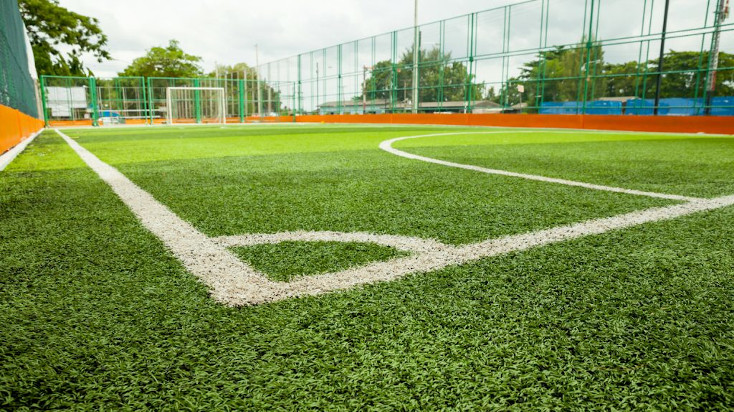
The research also estimates that synthetic sporting fields require approximately $3.3 million more lifecycle investment per field over 30 years—roughly double the long-term cost of natural turf.
These findings reinforce the importance of assessing sporting infrastructure investment beyond maximum playing capacity alone. Usage estimates and lifecycle costs need to be considered in the context of each site and the assumptions underpinning the research.
Council business cases should also consider community access, informal recreation, urban cooling, environmental impacts, maintenance requirements and whole-of-life costs.
Natural turf is the community’s preference
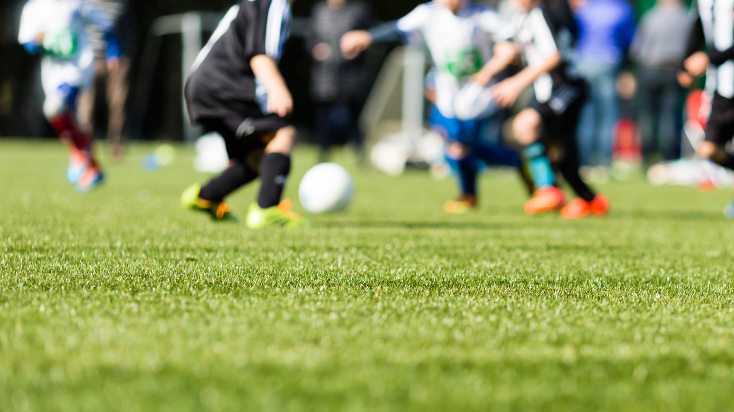
The research found that 76% of Australians prefer natural turf in community spaces, while 81% of parents whose children play soccer prefer them to play on natural surfaces.
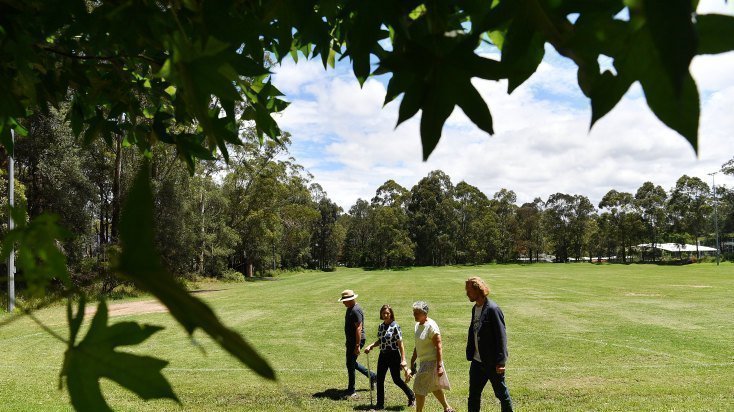
Natural turf provides benefits extending well beyond organised sport, including community recreation, cooling, stormwater management and environmental resilience.
For NTA, the research adds an important national evidence base to our ongoing advocacy for transparent, balanced and evidence-based sporting field decisions.
Access the research and supporting resources
Hallowed Turf – The economic, environmental and social value of natural turf
Hallowed Turf – Overall contribution and decision drivers
Hallowed Turf – Community, commercial and sports summary
Hallowed Turf – Community and Sport Infographic
We encourage members to review and share the research with local councillors, sporting organisations and community representatives.
We’ll provide further information on specific results in coming weeks. In the meantime, contact us directly if you’d like to discuss this report in more detail.
The Natural Turf Alliance team
Supporting your community